JEC Eye Hospitals and Clinics
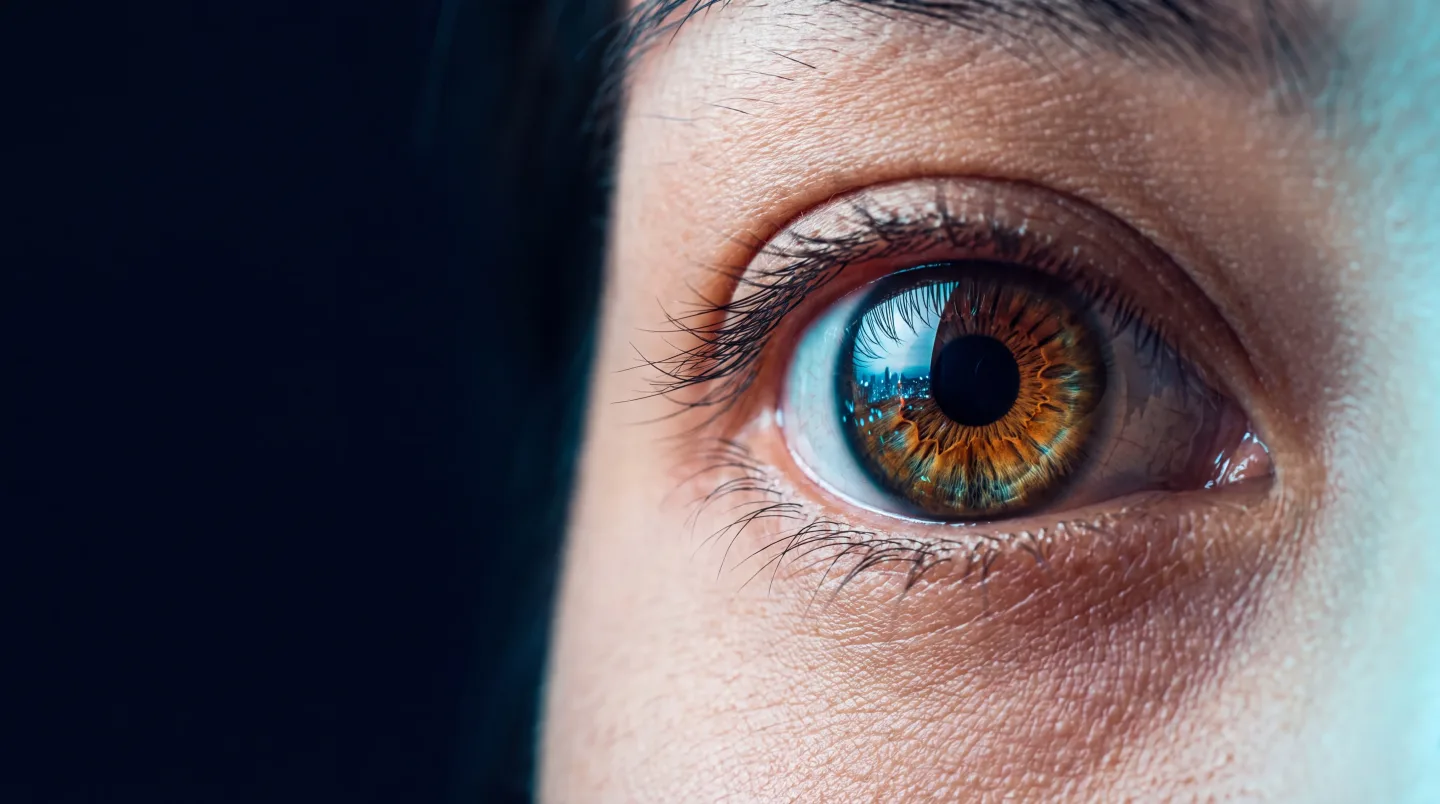
Makro mata manusia dengan iris tajam dan pantulan lampu kota yang jernih di permukaan kornea
Pionir LASIK di Indonesia · Sejak 1997Indonesia’s LASIK pioneer · Since 1997

Ingin tahu metode LASIK yang paling tepat untuk mata Anda? Want to know which LASIK method suits your eyes best?

Setiap mata punya karakter dan kebutuhan yang berbeda. Cukup masukkan ukuran kacamata, lalu dapatkan informasi peluang bebas kacamata hanya dalam 1 menit. No two pairs of eyes are alike. Enter your prescription and get a read on your chances of living without glasses — it takes about a minute.

1997
JEC melakukan LASIK pertama di IndonesiaJEC performed Indonesia’s first LASIK
80.000++
Tindakan LASIK yang sudah dijalani pasien JEC8LASIK procedures performed at JEC8
MURI
Rekor MURI untuk tindakan LASIK terbanyak di Indonesia8Indonesian national record (MURI) for the most LASIK procedures performed8
Mulai di siniStart here

Syarat LASIK: cek kelayakan Anda dalam satu menitLASIK requirements: check your eligibility in one minute

Syarat utama LASIK ada empat34 There are four core LASIK requirements34

  1. Usia minimal 18 tahunAt least 18 years old
  2. Ukuran kacamata stabil setidaknya 12 bulanA prescription stable for at least 12 months
  3. Besar ukuran masih berada dalam rentang koreksiA correction still within the treatable range
  4. Kornea cukup tebal dan berbentuk normalA cornea thick enough and normally shaped perlu pemeriksaanrequires an examination

Tiga syarat pertama bisa Anda periksa sendiri sekarang juga. You can check the first three yourself right now.

Siapkan kacamata atau resep terakhir Anda, lalu salin angkanya ke bawah ini. Kami akan menganalisa data Anda. Have your glasses or most recent prescription to hand, then copy the figures in below. We will read them for you.

1 / 5 Sekitar satu menitAbout a minute

Jawab beberapa pertanyaan singkat di sebelah, hasilnya muncul di sini. Answer a few short questions and your result will appear here.

  • Jenis kelaminSex
  • Hamil / menyusuiPregnant / breastfeeding
  • UsiaAge
  • JenisType
  • UkuranPrescription
  • KestabilanStability

Tes mandiri ini tidak ada yang dikirim atau disimpan. This is a self-test — nothing is sent or stored.

    Lihat bedanyaSee the difference

    Beginilah rabun jauh mengubah malam AndaThis is what nearsightedness does to your evenings

    Geser garisnya ke kanan dan ke kiri. Sisi kiri kira-kira menyerupai penglihatan tanpa koreksi pada minus sedang. Sisi kanan adalah pemandangan yang sama persis, saat cahaya akhirnya jatuh tepat di retina. Drag the line left and right. The left side approximates uncorrected vision at a moderate prescription. The right is exactly the same scene, once light finally lands on the retina.
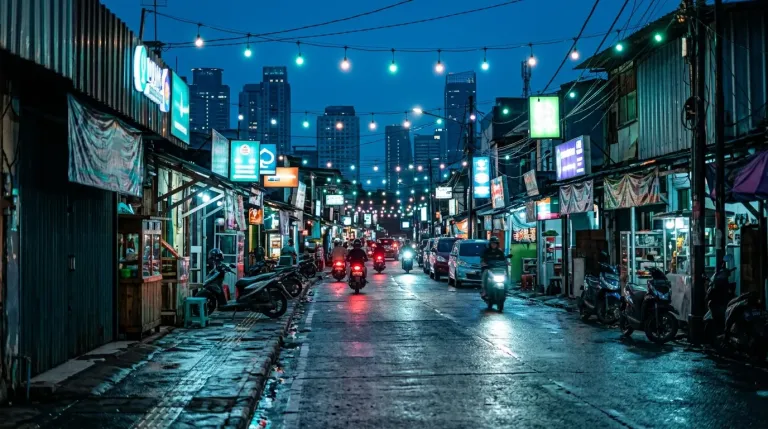
    Suasana jalan kota pada malam hari dengan lampu toko dan aspal basah, terlihat tajam Tanpa koreksiUncorrected Setelah koreksiAfter correction

    Ilustrasi. Tingkat keburaman berbeda pada setiap orang dan tidak menggambarkan ukuran tertentu. Illustration only. How blurred vision looks differs from person to person, and this does not represent any particular prescription.

    Penglihatan jadi jauh lebih jelas dan jernih hanya dengan penyesuaian di lapisan tipis pada mata. Vision becomes far clearer and sharper from an adjustment to a single thin layer of the eye.

    Mengenal LASIKGetting to know LASIK

    Apa itu LASIK, dan apa yang sebenarnya diubah?What is LASIK, and what does it actually change?

    LASIK (Laser-Assisted In Situ Keratomileusis) adalah tindakan bedah yang membentuk ulang lengkung kornea — lapisan bening setipis kartu di depan mata — dengan laser, agar cahaya jatuh tepat di retina.3 Yang diubah hanya kornea. Retina, saraf mata, dan lensa alami di dalam mata tidak disentuh sama sekali. LASIK (Laser-Assisted In Situ Keratomileusis) is surgery that uses a laser to reshape the curve of the cornea — the clear, card-thin dome at the front of the eye — so that light lands precisely on the retina.3 Only the cornea is altered. The retina, the optic nerve and the natural lens inside the eye are left untouched.
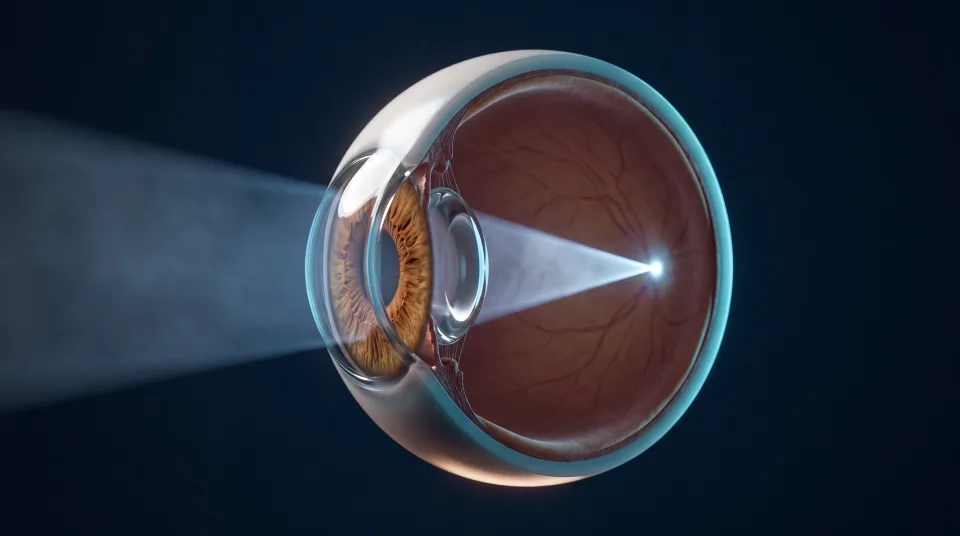
    Diagram potongan mata: berkas cahaya masuk lewat kornea dan bertemu tepat di retina
    PenyebabnyaThe cause

    Cahaya meleset dari retinaLight misses the retina

    Agar penglihatan tajam, cahaya harus jatuh tepat di retina. Bentuk kornea yang menentukan ke mana cahaya itu jatuh. For vision to be sharp, light has to land exactly on the retina. The shape of the cornea decides where it lands.

    • Kornea terlalu cembungCornea too curved Cahaya jatuh di depan retina. Penglihatan jauh jadi kabur — inilah minus. Light lands in front of the retina. Distance blurs — this is myopia.
    • Kornea terlalu datarCornea too flat Cahaya jatuh di belakang retina. Yang kabur justru jarak dekat — inilah plus. Light lands behind the retina. Near vision blurs instead — this is hyperopia.
    • Kornea tidak rataCornea uneven Cahaya pecah ke beberapa titik sekaligus. Bayangan jadi bertumpuk — inilah silinder. Light splits across several points at once. Images overlap — this is astigmatism.

    Kacamata mengatasinya dengan membelokkan cahaya sebelum masuk ke mata. Glasses solve this by bending light before it enters the eye.

    Yang dilakukanWhat is done

    Koreksi dilakukan pada korneaThe correction is made on the cornea

    Dokter membuka lapisan tipis kornea, lalu laser excimer membentuk ulang jaringan di bawahnya mengikuti peta mata Anda sendiri. Lapisan itu dikembalikan dan menempel tanpa jahitan. Pembentukan ulangnya berlangsung dalam hitungan detik per mata — pada generasi laser terbaru, kurang dari sepuluh detik.5 Sisa waktunya adalah persiapan dan penyelarasan, yang justru bagian paling teliti. The surgeon lifts a thin layer of cornea, then an excimer laser reshapes the tissue beneath it following the map of your own eye. The layer is laid back and seals without stitches. The reshaping itself takes seconds per eye — under ten seconds on the newest generation of lasers.5 The rest of the time is preparation and alignment, which is in fact the most exacting part.

    Satu hal yang tidak diubah LASIK:One thing LASIK does not change: penuaan lensa di dalam mata. Mulai usia 40-an, kemampuan memfokuskan jarak dekat menurun secara alami, dan kacamata baca mungkin tetap dibutuhkan kemudian.3 Itu bukan tanda tindakan gagal — itu proses yang berjalan terpisah, dan terjadi pada semua orang, dengan atau tanpa LASIK. the ageing of the lens inside your eye. From your forties, the ability to focus up close declines naturally, and reading glasses may still be needed later on.3 That is not a sign the procedure failed — it is a separate process, and it happens to everyone, with or without LASIK.
    Pilihan di JECOptions at JEC

    Memilih Antara LASIK, SMILE Pro, dan ICLChoosing between LASIK, SMILE Pro and ICL

    LASIK membentuk ulang kornea setelah membuka flap tipis. SMILE Pro melakukannya tanpa flap, lewat sayatan kecil. ICL tidak menyentuh kornea sama sekali dan menanam lensa lembut di dalam mata. Yang menentukan pilihan bukan mana yang paling baru, melainkan ketebalan dan bentuk kornea Anda, besar ukuran, dan aktivitas sehari-hari. LASIK reshapes the cornea after lifting a thin flap. SMILE Pro does the same without a flap, through a small incision. ICL leaves the cornea untouched and implants a soft lens inside the eye. What decides between them is not which is newest, but your corneal thickness and shape, the size of your correction, and how you live day to day.
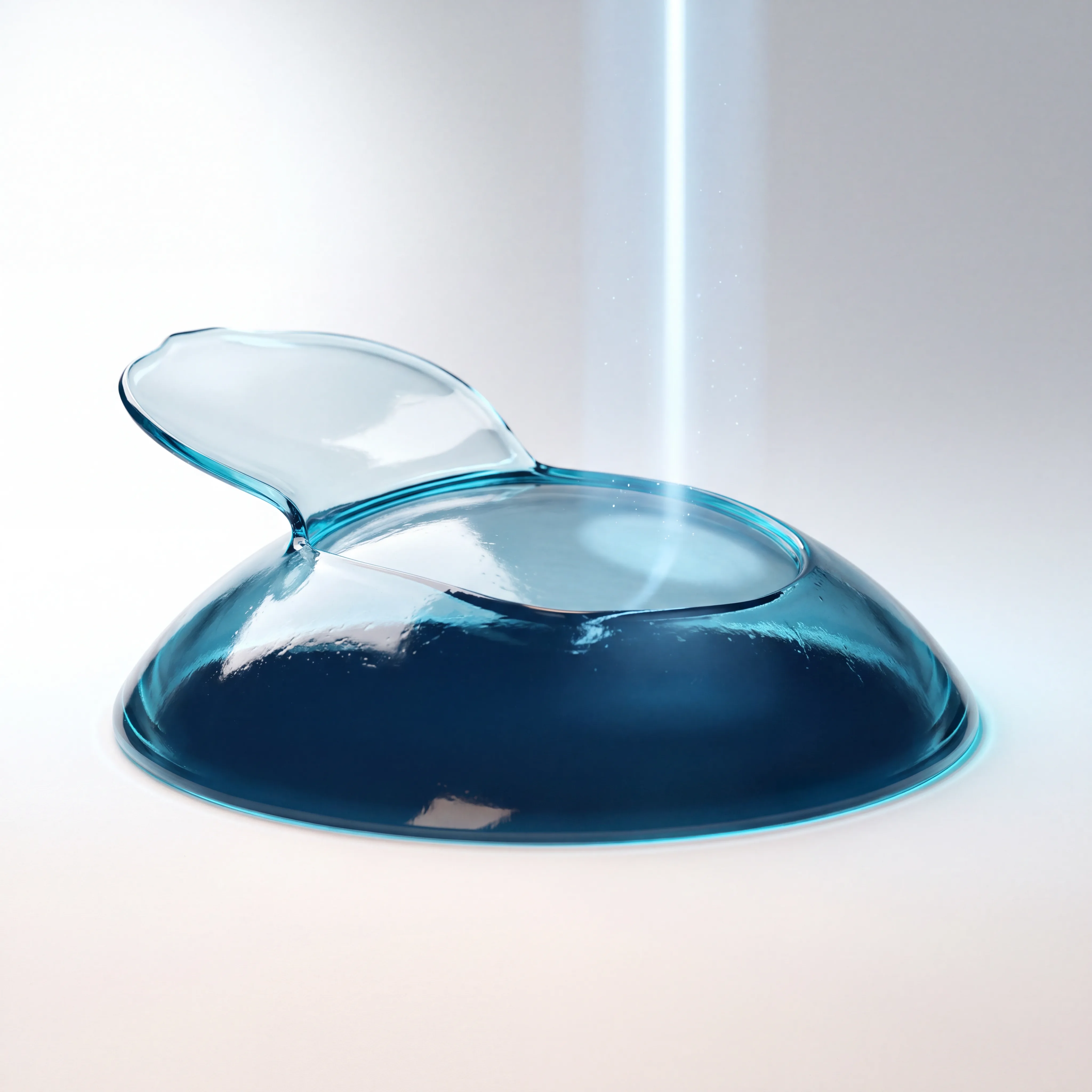
    Ilustrasi LASIK: lapisan tipis kornea dibuka seperti flap, laser membentuk ulang jaringan di bawahnya

    LASIK

    Metode paling populer dengan rekam jejak teruji dan fleksibilitas ukuran tertinggi. Laser digunakan untuk membuka lapisan tipis kornea (flap), merapikan jaringan di bawahnya, dan mengembalikan lapisan tersebut ke posisi awal.The most popular method, with a proven track record and the widest flexibility in prescription. A laser opens a thin layer of the cornea (the flap), reshapes the tissue beneath it, and returns that layer to its original position.
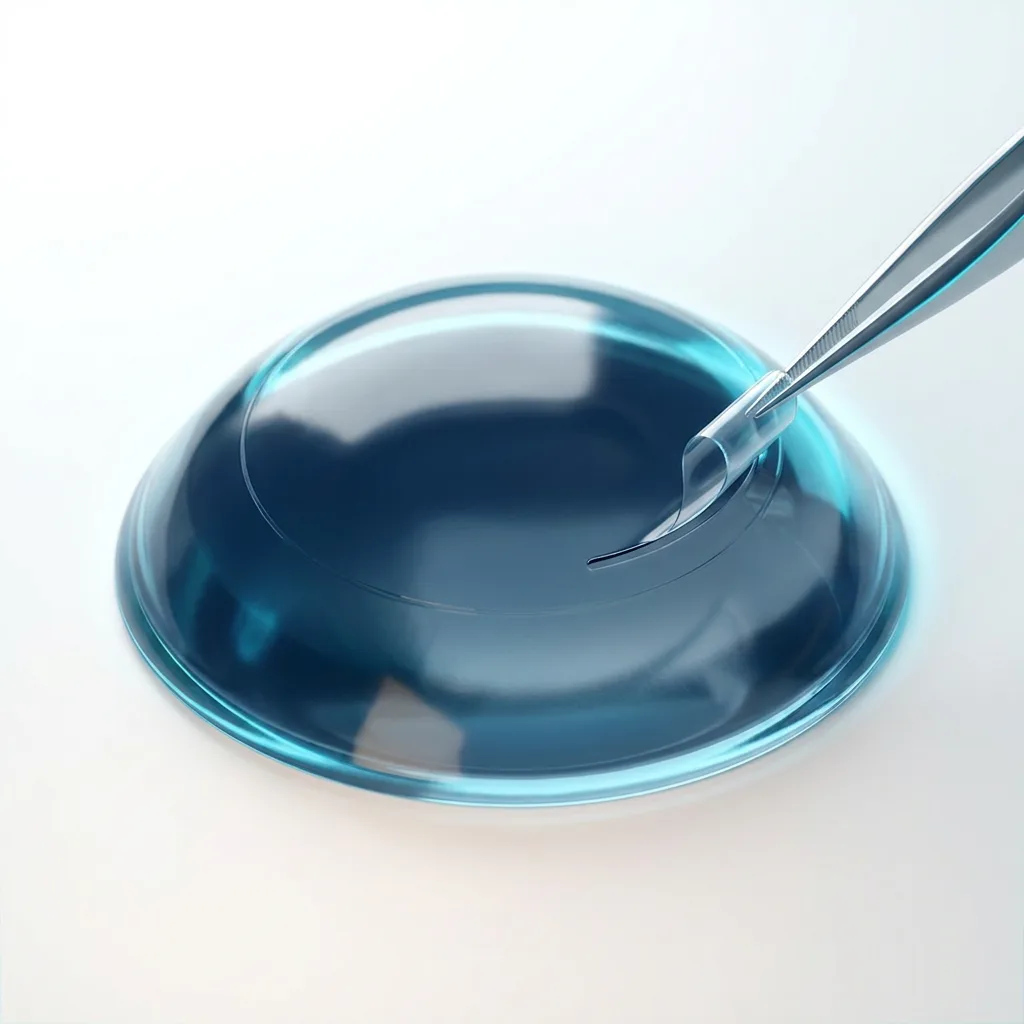
    • Cakupan Refraksi: Minus s.d. −12 D | Plus s.d. +6 D | Silinder s.d. 6 D7Refractive range: Myopia to −12 D | Hyperopia to +6 D | Astigmatism to 6 D7
    • Pemulihan Cepat: Hasil penglihatan lebih jernih dapat dirasakan mulai besoknya.Fast recovery: Vision is usually noticeably clearer the very next day.
    • Catatan: Perlu menjaga mata dari benturan keras fisik secara langsung.Worth noting: The eyes need protecting from direct impact.
    Selengkapnya tentang LASIKMore about LASIK
    Ilustrasi SMILE Pro: lentikula dibentuk di dalam kornea lalu ditarik keluar lewat satu sayatan kecil di tepi, permukaan kornea tetap utuh

    SMILE Pro

    Teknologi paling modern tanpa flap, ekstra cepat dan minim sayatan. Tanpa membuka lapisan kornea, laser membentuk jaringan tipis di dalam kornea dan mengeluarkannya lewat sayatan mikro (2–3 mm). Struktur mata tetap utuh dan saraf kornea lebih terjaga.6The most modern flapless technology — extra fast, with a minimal incision. Without opening a corneal layer, the laser shapes a thin piece of tissue inside the cornea and removes it through a micro-incision (2–3 mm). The structure of the eye stays intact and the corneal nerves are better preserved.6
    • Cakupan Ukuran: Minus hingga −10 D dan silinder hingga −5 D.5Prescription range: Myopia to −10 D and astigmatism to −5 D.5
    • Minim Mata Kering: Saraf permukaan mata lebih aman, sehingga rasa kering pasca-tindakan jauh lebih ringan.6Less dry eye: More of the surface nerves are preserved, so post-operative dryness tends to be far milder.6
    • Pemulihan Nyaman: Proses laser hanya hitungan detik dengan masa pemulihan yang sangat cepat.5Gentle recovery: The laser step takes only seconds, and most people are back to normal quickly.5
    Selengkapnya tentang SMILE ProMore about SMILE Pro
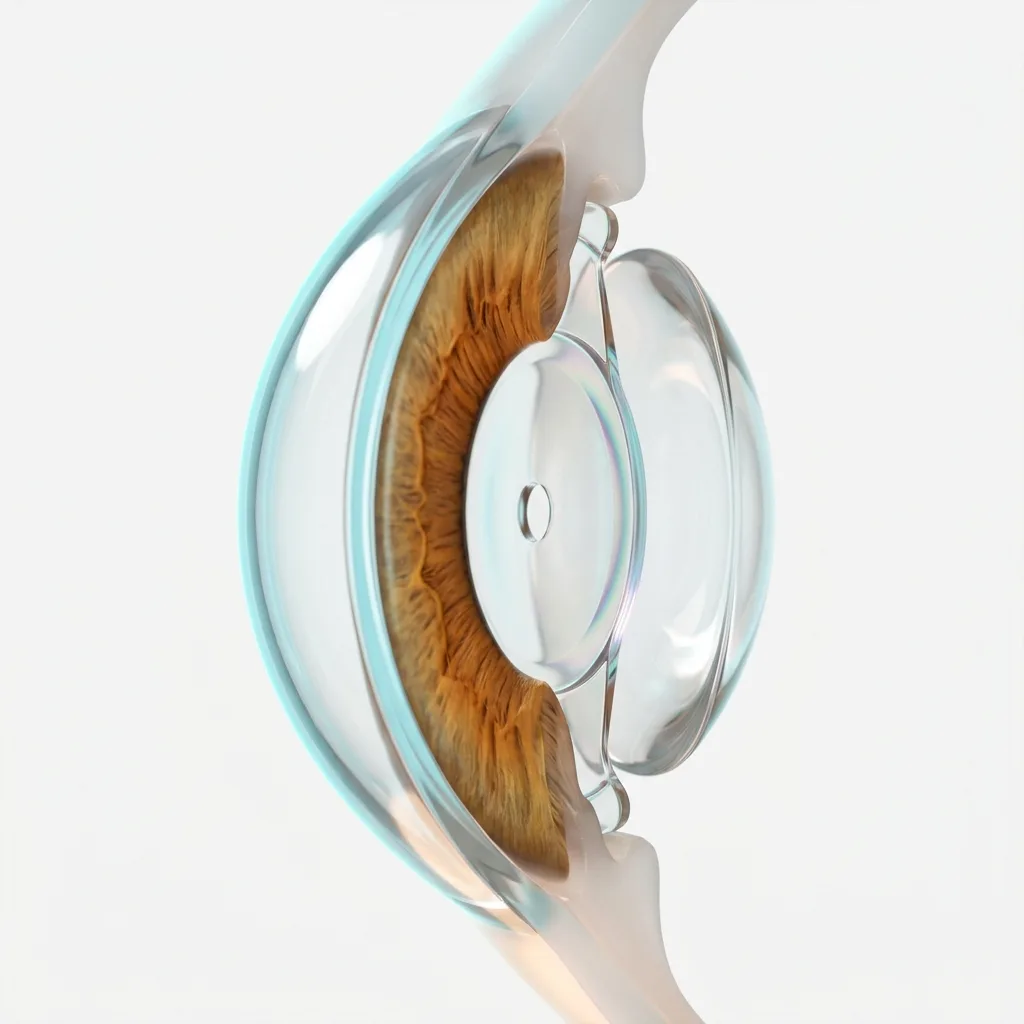
    Ilustrasi ICL: lensa tipis ditanam di ruang belakang iris dan di depan lensa alami mata, kornea tidak disentuh

    ICL

    Solusi ideal tanpa mengikis kornea, cocok untuk ukuran sangat tinggi. Tanpa mengubah struktur kornea, lensa khusus yang lembut ditanam secara aman di belakang iris untuk mengoreksi penglihatan dari dalam mata.The route that removes no corneal tissue at all, and the usual answer for very high prescriptions. The structure of the cornea is left exactly as it is; instead a soft, purpose-made lens is implanted behind the iris and corrects vision from inside the eye.

    • Cakupan Ukuran: Minus tinggi (−3 D hingga −20 D) dan silinder (1 D hingga 4 D pada tipe toric).2Prescription range: High myopia (−3 D to −20 D) and astigmatism (1 D to 4 D on the toric type).2
    • Tanpa Pengikisan Kornea: Ketebalan kornea tetap utuh, sehingga sangat aman untuk penderita kornea tipis.No corneal tissue removed: The full thickness of the cornea is preserved, which makes it a safe route for thin corneas.
    • Perawatan Pasca-Tindakan: Memerlukan pemantauan berkala oleh dokter untuk memastikan posisi lensa tetap presisi dan nyaman.2Post-operative care: Regular checks with your doctor keep the lens correctly positioned and comfortable.2
    Selengkapnya tentang ICLMore about ICL
    Perbandingan LASIK, SMILE Pro, dan ICL di JEC
    AspekFeature LASIKLASIK SMILE Pro ICL — lensa tanamICL — implantable lens
    Membuat flap?Creates a flap? Ya, lapisan tipis kornea dibukaYes, a thin corneal layer is opened Tidak, hanya sayatan 2–3 mmNo, only a 2–3 mm incision Tidak, kornea tidak dibentuk ulangNo — the cornea is left untouched
    Rentang minusMyopia range Sampai sekitar −12 D7To about −12 D7 Sampai −10 D5To −10 D5 −3 D sampai −20 D2−3 D to −20 D2
    Rentang silinderAstigmatism range Sampai 6 D7To 6 D7 Sampai −5 D5To −5 D5 1–4 D dengan lensa toric21–4 D with a toric lens2
    Rabun dekat (plus)Hyperopia Ya, sampai +6 D7Yes, to +6 D7 Hanya pada generasi terbaru5Newest generation only5 Dibahas kasus per kasusDiscussed case by case
    Bila kornea tipisIf the cornea is thin Sering tidak memungkinkanOften not possible Bergantung sisa ketebalanDepends on the thickness that remains Justru menjadi pilihan utama2Becomes the primary option2
    Dapat dibatalkan?Reversible? Tidak, perubahan kornea menetapNo, the corneal change is permanent Tidak, perubahan kornea menetapNo, the corneal change is permanent Lensa dapat dikeluarkan kembaliYes, the lens can be removed
    Ukuran kacamata bukan satu-satunya penentu.Your prescription is not the only deciding factor. Rentang angka di atas hanyalah gambaran umum. Keputusan terbaik tetap bergantung pada ketebalan, bentuk kornea, dan kondisi kesehatan mata Anda. Dua orang dengan minus yang sama bisa mendapatkan rekomendasi metode yang berbeda—dan inilah bukti bahwa setiap mata ditangani secara personal dan presisi. The ranges above are only a general picture. The best decision still depends on the thickness and shape of your cornea and the overall health of your eyes. Two people with the same prescription can receive different method recommendations—and that is proof every eye is handled personally and precisely.
    Yang akan Anda jalaniWhat you will go through

    Proses LASIK dan berapa lama pemulihannyaThe LASIK process and how long recovery takes

    Konsultan tim Patient Advisory Care JEC menjelaskan pilihan tindakan kepada seorang pasien di ruang konsultasi

    Rangkaian LASIK terdiri dari empat tahap3 The LASIK journey has four stages3

    1. Konsultasi bersama tim PACConsultation with the PAC team gratis · bisa onlinefree · online available
    2. Pemeriksaan pra-LASIK di JECPre-LASIK examination at JEC
    3. Hari tindakan — cukup satu hariProcedure day — just the one day
    4. Kontrol pada 1 hari, 1 minggu, 1 bulan, dan hingga 1 tahunChecks at 1 day, 1 week, 1 month and up to 1 year

    Sebagian besar orang sudah melihat jauh lebih jelas keesokan harinya, tetapi kestabilan akhir baru tercapai dalam beberapa minggu sampai beberapa bulan. Most people already see far more clearly the next day, but final stability arrives over several weeks to a few months.

    1

    Konsultasi bersama tim PACA conversation with the PAC team

    Tim Patient Advisory Care JEC menanyakan riwayat mata, aktivitas harian, dan apa yang Anda harapkan, lalu menjelaskan pilihan yang realistis beserta struktur biayanya. Bisa dilakukan lewat online meeting, jadi Anda tidak perlu datang ke JEC lebih dulu — dan sepenuhnya gratis. Tidak ada tindakan pada tahap ini, dan Anda boleh berhenti hanya dengan jawaban. JEC’s Patient Advisory Care team asks about your eye history, your daily activities and what you are hoping for, then explains the realistic options and how the cost is structured. It can be done as an online meeting, so you do not have to come to JEC first — and it is completely free. Nothing is performed at this stage, and you are free to stop with just an answer.

    Gratis · online atau tatap muka · sekitar 30 menitFree · online or in person · about 30 minutes
    2

    Pemeriksaan pra-LASIKThe pre-LASIK examination

    Di sinilah kelayakan sebenarnya diputuskan: pemetaan bentuk kornea, ketebalan kornea, tekanan bola mata, ukuran pupil, kondisi permukaan mata, dan pemeriksaan retina.4 Lensa kontak wajib dilepas lebih dulu — lensa lunak umumnya 1–2 minggu, lensa keras lebih lama — karena lensa kontak menekan dan mengubah bentuk kornea, sehingga pengukurannya bisa keliru. This is where eligibility is genuinely decided: corneal shape mapping, corneal thickness, eye pressure, pupil size, ocular surface condition and a retinal examination.4 Contact lenses must be left off beforehand — usually 1–2 weeks for soft lenses, longer for rigid ones — because they press on and reshape the cornea, which can throw the measurements off.

    Lepas lensa kontak jauh-jauh hariContact lenses out well in advance
    3

    Hari tindakanProcedure day

    Mata dibius dengan tetes, bukan suntikan. Anda sadar sepenuhnya dan hanya diminta menatap satu titik cahaya. Yang terasa umumnya tekanan, bukan nyeri. Kedua mata biasanya dikerjakan pada hari yang sama. Siapkan pendamping untuk mengantar pulang — penglihatan masih buram beberapa jam pertama dan Anda tidak boleh menyetir. Your eyes are numbed with drops, not injections. You stay fully awake and are simply asked to look at a single point of light. What you feel is pressure rather than pain. Both eyes are normally treated the same day. Arrange someone to take you home — vision stays blurred for the first few hours and you must not drive.

    Beberapa jam di rumah sakitA few hours at the hospital
    4

    Kontrol berkalaFollow-up checks

    Kontrol pertama keesokan harinya, lalu satu minggu, satu bulan, dan hingga satu tahun. Banyak orang sudah kembali bekerja setelah kontrol hari pertama, tetapi itu bergantung pada jenis pekerjaan — lingkungan berdebu atau pekerjaan yang menuntut penglihatan malam biasanya perlu jeda lebih panjang. The first check is the next day, then one week, one month and out to one year. Many people are back at work after the day-one check, but that depends on the job — dusty environments or work that relies on night vision usually need a longer break.

    1 hariday · 1 mingguweek · 1 bulanmonth · 1 tahunyear
    Perlu diketahuiWorth knowing

    Siapa yang belum bisa LASIKWho cannot have LASIK yet

    Ada delapan kondisi yang membuat LASIK ditunda atau tidak disarankan — mulai dari usia di bawah 18 tahun sampai kornea yang terlalu tipis.45 Sebagian besar di antaranya berarti menunggu, bukan tidak bisa. Eight things will postpone LASIK or rule it out — from being under 18 to having corneas that are too thin.45 Most of them mean wait, not never.

    Empat butir pertama biasanya berarti menunggu, bukan tidak bisa. Ukuran yang belum stabil akan stabil. Kehamilan berlalu. Mata kering bisa ditangani lebih dulu. Yang membedakan "belum" dan "tidak" hanya pemeriksaan — dan itu gratis untuk dibicarakan. The first four usually mean wait, not never. An unstable prescription settles. Pregnancy passes. Dry eye can be treated first. The only thing that separates “not yet” from “not at all” is an examination — and talking it through costs nothing.
    BiayaCost

    Berapa biaya LASIK di JEC?How much does LASIK cost at JEC?

    Biaya LASIK bergantung pada tindakan yang akhirnya sesuai untuk mata Anda — LASIK, SMILE Pro, dan ICL memakai teknologi dan bahan yang berbeda — dan itu baru diketahui setelah pemeriksaan. Karena itu JEC memberikan rincian biaya per komponen dalam konsultasi gratis bersama tim PAC. The cost of LASIK depends on which procedure actually suits your eyes — LASIK, SMILE Pro and ICL use different technology and materials — and that is only known after the examination. So JEC gives you a component-by-component breakdown in a free consultation with the PAC team.

    Yang memengaruhiWhat affects it

    Jenis tindakanWhich procedure you have

    LASIK, SMILE Pro, dan ICL berbeda teknologi, berbeda bahan habis pakai, dan karena itu berbeda struktur biaya. Menanam lensa biayanya akan lebih mahal daripada membentuk ulang kornea.LASIK, SMILE Pro and ICL differ in technology and consumables, and therefore in cost structure. Implanting a lens costs more than reshaping a cornea.

    Yang sering terlewatOften overlooked

    Komponen di luar tindakanWhat sits outside the procedure

    Ada konsultasi, pemeriksaan pra-LASIK, obat, dan kontrol berkala selama setahun. Yang paling memengaruhi hasil akhir justru kelengkapan alat pemeriksaan: makin lengkap pemetaan kornea dan analisis mata yang dijalani, makin presisi rencana tindakannya. Rangkaian selengkap ini tidak selalu tersedia di setiap tempat, jadi saat membandingkan penawaran, pastikan isi paketnya memang setara.There is the consultation, the pre-LASIK examination, medication and a year of follow-up visits. What shapes the final result most is the completeness of the diagnostic equipment: the more thorough the corneal mapping and eye analysis, the more precise the surgical plan. A work-up this complete is not available everywhere, so when comparing quotes, check that the packages really are equivalent.

    Yang tersediaWhat is available

    Cicilan dan bank mitraInstalments and partner banks

    JEC bekerja sama dengan sejumlah bank untuk program cicilan. Ketentuan, tenor, dan unit yang ikut serta berbeda-beda dan berubah dari waktu ke waktu — tim PAC menyampaikan yang benar-benar berlaku pada hari Anda berkonsultasi.JEC works with a number of banks on instalment plans. The terms, the length and which sites take part all vary, and they change over time — the PAC team will tell you what genuinely applies on the day you consult.

    Cara mendapatkan angkanya hari ini:How to get a real figure today: minta rincian per komponen kepada tim PAC JEC. ask the JEC PAC team for the component-by-component breakdown.
    Jaringan JECThe JEC network

    Di mana LASIK tersedia: 5 lokasi di 4 kotaWhere LASIK is available: 5 sites across 4 cities

    Dari seluruh jaringan JEC, LASIK hanya tersedia di lima lokasi: JEC @ Kedoya dan JEC @ Menteng di Jakarta, JEC CANDI @ Semarang, JEC JAVA @ Surabaya, serta JEC ORBITA @ Makassar. Sebutkan kota Anda pada formulir di bawah, dan tim PAC akan mengarahkan ke lokasi yang paling dekat. Across the whole JEC network, LASIK is available at five sites only: JEC @ Kedoya and JEC @ Menteng in Jakarta, JEC CANDI @ Semarang, JEC JAVA @ Surabaya and JEC ORBITA @ Makassar. Tell us your city in the form below and the PAC team will point you to the nearest one.
    Lobi resepsionis rumah sakit mata yang terang dan modern
    JEC Doctors

    Dokter refraktif JEC

    Tim dokter JEC akan ditampilkan dan dikelola dari CMS pada fase konten berikutnya.

    Patient Stories

    Cerita pasien

    Testimoni dapat ditambahkan dari CMS setelah materi resmi tersedia.

    Langkah berikutnyaNext step

    Konsultasi gratis bersama tim PAC JECA free consultation with the JEC PAC team

    Patient Advisory Care adalah tim yang menemani Anda sebelum ada keputusan apa pun diambil. Mereka menjawab pertanyaan, menjelaskan pilihan yang realistis, dan mengatur jadwal pemeriksaan hanya bila Anda memang ingin melanjutkan. Patient Advisory Care is the team that sits with you before any decision is made. They answer questions, explain the realistic options, and book your examination only if you actually want to go further.

    • Tanpa biaya, dan tanpa kewajiban melanjutkanNo cost, and no obligation to continue
    • Rincian biaya per komponen, bukan satu angka globalCost broken down by component, not one lump figure
    • Diarahkan ke unit JEC terdekat yang menyediakan tindakannyaDirected to the nearest JEC site that offers the procedure
    • Dilayani dalam Bahasa Indonesia dan InggrisAvailable in Indonesian and English

    Keduanya masuk ke nomor WhatsApp tim PAC yang sama.Both open the same WhatsApp line to the PAC team.

    Ingin kami hubungi?Want us to contact you?

    Isi empat kolom, lalu kirim. Tim PAC yang akan menghubungi Anda.Fill in four fields and send. The PAC team will get back to you.

    Mulai dari pertanyaan, bukan dari jadwal operasiStart with a question, not a surgery date

    Konsultasi bersama tim PAC JEC tidak dipungut biaya dan tidak mengikat. A consultation with the JEC PAC team costs nothing and commits you to nothing.

    Tanya jawabQuestions

    Pertanyaan yang paling sering diajukan tentang LASIKThe questions people ask most about LASIK

    Apakah operasi LASIK sakit?Does LASIK surgery hurt?
    Mata dibius dengan tetes, sehingga tindakan itu sendiri umumnya tidak terasa nyeri. Yang dirasakan biasanya tekanan pada bola mata dan penglihatan yang meredup sesaat. Setelah efek bius hilang, mata bisa terasa perih, berpasir, dan berair selama beberapa jam pertama — ini bagian yang paling tidak nyaman, dan biasanya sudah jauh berkurang keesokan paginya. Your eyes are numbed with drops, so the procedure itself is generally not painful. What you feel is pressure on the eye and vision dimming briefly. Once the numbing wears off, the eyes can sting, feel gritty and water for the first few hours — this is the least comfortable part, and it has usually eased a great deal by the next morning.
    Berapa lama pemulihan LASIK sampai penglihatan jernih?How long is LASIK recovery until vision is clear?
    Sebagian besar orang sudah melihat jauh lebih jelas pada hari berikutnya. Namun penglihatan masih naik-turun pada minggu-minggu pertama, dan kestabilan akhir umumnya baru tercapai dalam beberapa minggu sampai beberapa bulan.3 Keluhan silau dan halo biasanya mereda dan stabil dalam 3–6 bulan.1 Most people already see far more clearly the next day. Vision still fluctuates over the first weeks, and final stability is usually reached over several weeks to a few months.3 Glare and halo symptoms typically ease and stabilise within 3–6 months.1
    Apa efek samping LASIK yang paling sering?What are the most common side effects of LASIK?
    Dua yang paling sering: mata kering, dan silau atau lingkaran cahaya di sekitar lampu pada malam hari. Keduanya paling terasa pada minggu-minggu pertama, lalu menurun seiring saraf kornea pulih dan mata menyesuaikan diri — umumnya mereda dan stabil dalam 3–6 bulan.1 Pada sebagian kecil orang keluhannya bertahan lebih lama dalam kadar ringan.3 Sebagian besar sudah bisa diperkirakan sebelum tindakan lewat pemeriksaan permukaan mata dan ukuran pupil, dan itulah salah satu alasan pemeriksaan pra-LASIK panjang. Two stand out: dry eye, and glare or halos around lights at night. Both are strongest in the first weeks, then settle as the corneal nerves recover and the eye adapts — typically easing and stabilising within 3–6 months.1 In a small number of people mild symptoms persist longer.3 Most of this can be anticipated beforehand from the ocular surface examination and pupil measurement, which is one reason the pre-LASIK work-up is as long as it is.
    Apakah mata kering setelah LASIK menetap selamanya?Is dry eye after LASIK permanent?
    Pada sebagian besar orang, tidak. Saraf permukaan kornea ikut terpotong saat lapisan kornea dibuka, sehingga mata sementara kurang peka memberi sinyal untuk memproduksi air mata. Saraf itu tumbuh kembali, dan keluhannya biasanya berkurang jelas dalam beberapa bulan.1 Yang perlu diwaspadai adalah mata yang sudah kering sebelum tindakan — karena itu kondisi permukaan mata diperiksa lebih dulu dan, bila perlu, ditangani sebelum jadwal LASIK ditetapkan.4 For most people, no. The nerves on the corneal surface are cut when the corneal layer is lifted, so for a while the eye is less sensitive at signalling for tears. Those nerves regrow, and symptoms usually improve markedly over a few months.1 The case to watch is an eye that was already dry beforehand — which is why the ocular surface is examined first and, where needed, treated before a LASIK date is set.4
    Apakah saya akan silau saat menyetir malam setelah LASIK?Will there be glare when I drive at night after LASIK?
    Pada minggu-minggu awal, mungkin. Karena itu menyetir malam biasanya ditunda sampai dokter menyatakan penglihatan Anda sudah cukup stabil. Keluhan ini lebih sering pada pupil yang melebar besar dalam gelap dan pada ukuran minus yang besar — dua hal yang diukur saat pemeriksaan pra-LASIK, bukan ditebak.3 Bila hasil pengukuran menunjukkan risikonya tinggi, itu justru bahan pertimbangan untuk memilih tindakan lain. In the early weeks, possibly. That is why night driving is usually held off until your doctor confirms your vision is stable enough. The complaint is more common with pupils that dilate widely in the dark and with larger prescriptions — both measured during the pre-LASIK work-up rather than guessed at.3 If the measurements show the risk is high, that is itself a reason to consider a different procedure.
    Kapan saya bisa kembali bekerja setelah LASIK?When can I go back to work after LASIK?
    Banyak orang kembali bekerja setelah kontrol hari pertama, tetapi ini bergantung pada jenis pekerjaan. Pekerjaan berdebu, berair, atau yang menuntut penglihatan malam biasanya perlu jeda lebih panjang. Dokter Anda yang menentukan waktunya berdasarkan kondisi mata pada kontrol pertama. Many people return after the day-one check, but it depends on the job. Dusty or wet environments and work that relies on night vision usually need a longer break. Your doctor sets the timing based on how your eyes look at that first check.
    Apakah hasil LASIK permanen, atau mata bisa minus lagi?Is LASIK permanent, or can the prescription come back?
    Perubahan bentuk kornea bersifat menetap. Yang tidak berhenti adalah penuaan alami mata: mulai usia 40-an, kemampuan melihat dekat menurun dan kacamata baca mungkin tetap dibutuhkan — itu proses terpisah yang terjadi pada semua orang.3 Pada sebagian kecil orang, ukuran juga dapat bergeser kembali sedikit demi sedikit, terutama bila ukuran awalnya sangat besar atau belum benar-benar stabil saat tindakan. The change to the corneal shape is permanent. What does not stop is the natural ageing of the eye: from your forties, near vision declines and reading glasses may still be needed — a separate process that happens to everyone.3 In a small number of people the prescription can also drift back gradually, particularly when it was very high or not fully stable at the time of surgery.
    Minus berapa yang masih bisa di-LASIK?How high a prescription can LASIK still correct?
    Batas yang umum dirujuk untuk LASIK adalah miopia sampai sekitar −12 dioptri, hipermetropia sampai +6 dioptri, dan silinder sampai 6 dioptri.7 SMILE Pro menangani minus sampai −10 D dan silinder sampai −5 D.5 Di luar rentang itu, lensa tanam ICL menjangkau minus −3 D sampai −20 D.2 Namun batas angka bukan satu-satunya penentu — ketebalan kornea sering menjadi penghalang lebih dulu daripada besar ukuran. Bila ukuran Anda berada di luar rentang laser, mulailah dari halaman ICL. The commonly cited limits for LASIK are myopia to about −12 dioptres, hyperopia to +6 dioptres and astigmatism to 6 dioptres.7 SMILE Pro treats myopia to −10 D and astigmatism to −5 D.5 Beyond those ranges, the ICL implantable lens reaches from −3 D to −20 D.2 But the numbers are not the only limit — corneal thickness often becomes the obstacle before prescription size does.
    Saya memakai lensa kontak. Apa yang harus saya lakukan sebelum pemeriksaan?I wear contact lenses. What should I do before the examination?
    Lensa kontak menekan dan mengubah bentuk kornea, sehingga harus dilepas sebelum pemeriksaan agar hasil pengukuran tidak keliru. Lensa lunak umumnya perlu dilepas 1–2 minggu sebelumnya dan lensa keras lebih lama. Sampaikan jenis lensa Anda kepada tim PAC saat menjadwalkan, supaya jeda yang tepat bisa dihitung sejak awal. Contact lenses press on and reshape the cornea, so they must be left off before the examination or the measurements will be wrong. Soft lenses usually need 1–2 weeks off and rigid lenses longer. Tell the PAC team which type you wear when you book, so the right interval can be planned from the start.
    Apakah LASIK ditanggung BPJS atau asuransi?Is LASIK covered by insurance?
    Bedah refraktif umumnya dikategorikan sebagai tindakan elektif dan pada banyak polis tidak ditanggung. Ketentuan berbeda antar-penjamin, jadi periksa langsung ke penyedia asuransi Anda. Tim PAC dapat membantu menyiapkan rincian yang dibutuhkan bila polis Anda memungkinkan pengajuan. Refractive surgery is generally classified as elective and is not covered by many policies. Terms differ between insurers, so check directly with yours. The PAC team can help prepare the details needed if your policy does allow a claim.
    Apa bedanya LASIK dan SMILE Pro?What is the difference between LASIK and SMILE Pro?
    LASIK membuka flap tipis pada kornea; SMILE Pro tidak. Pada SMILE Pro, lentikula tipis dibentuk di dalam kornea lalu dikeluarkan melalui sayatan 2–3 mm, sehingga lebih sedikit saraf permukaan yang terputus — hal yang dikaitkan dengan keluhan mata kering yang lebih ringan.6 Karena tidak ada flap, sebagian orang memilihnya untuk aktivitas berisiko benturan. Sebaliknya, LASIK punya cakupan rentang yang lebih luas, terutama untuk rabun dekat. LASIK lifts a thin corneal flap; SMILE Pro does not. In SMILE Pro a thin lenticule is shaped inside the cornea and removed through a 2–3 mm incision, cutting fewer surface nerves — which is linked to milder dry-eye symptoms.6 With no flap, some people choose it for impact-prone activity. LASIK, in return, covers a wider range, particularly for hyperopia. The full picture lives on the SMILE Pro page.
    Apakah kedua mata dikerjakan pada hari yang sama?Are both eyes done on the same day?
    Umumnya ya. Kedua mata biasanya dikerjakan dalam satu sesi, kecuali dokter menilai ada alasan untuk memisahkannya. Yang perlu Anda siapkan adalah pendamping untuk mengantar pulang, karena Anda tidak boleh menyetir pada hari itu. Usually yes. Both eyes are normally treated in one session, unless your doctor sees a reason to separate them. What you do need to arrange is someone to take you home, since you must not drive that day.
    Bolehkah menggosok mata setelah LASIK?Can I rub my eyes after LASIK?
    Tidak. Menggosok mata dapat menggeser flap yang belum sepenuhnya menyatu, dan ini termasuk penyebab komplikasi flap yang paling bisa dicegah.3 Bila mata terasa gatal atau kering, gunakan tetes yang diberikan dokter, bukan tangan. No. Rubbing can shift a flap that has not fully sealed, and it is among the most preventable causes of flap complications.3 If your eyes feel itchy or dry, use the drops your doctor prescribed rather than your hands.
    Saya tinggal di luar negeri. Bisakah LASIK selesai dalam satu kunjungan?I live abroad. Can LASIK be completed in one visit?
    Bisa, tetapi perlu direncanakan, bukan sekadar dijadwalkan. Anda tetap harus melepas lensa kontak sebelum pemeriksaan, menjalani pemeriksaan pra-LASIK, lalu tersedia untuk kontrol hari pertama dan minggu pertama. Sampaikan tanggal kedatangan dan kepulangan Anda kepada tim PAC agar seluruh rangkaian disusun mundur dari tanggal itu. It can, but it needs planning rather than just scheduling. You still have to be out of contact lenses before the examination, complete the pre-LASIK work-up, then be available for the day-one and first-week checks. Give the PAC team your arrival and departure dates so the whole sequence is built backwards from them.
    Bisakah dilakukan tindakan ulang bila hasilnya kurang?Can it be repeated if the result falls short?
    Pada sebagian kasus, koreksi yang kurang dapat disempurnakan dengan tindakan lanjutan, tetapi itu bergantung pada sisa ketebalan kornea dan kondisi mata setelah penyembuhan. Kemungkinannya dibicarakan bersama dokter setelah ukuran Anda benar-benar stabil, biasanya beberapa bulan setelah tindakan pertama. In some cases an undercorrection can be refined with a further procedure, but that depends on the remaining corneal thickness and the state of the eye after healing. The possibility is discussed with your doctor once your prescription is genuinely stable, usually some months after the first procedure.
    RujukanReferences
    1. Susanna BN, Mohan N, Santhiago MR, Randleman JB. Laser in Situ Keratomileusis Outcomes and Complications: 2016 to 2023. Journal of Refractive Surgery. 2025;41(4):e391–e403. journals.healio.com
    2. U.S. Food and Drug Administration. EVO/EVO+ Visian Implantable Collamer Lens — Professional Use Information, PMA P030016/S035. accessdata.fda.gov
    3. Mayo Clinic. LASIK eye surgery — About, risks and results. mayoclinic.org
    4. American Academy of Ophthalmology. LASIK — Laser Eye Surgery. aao.org
    5. Carl Zeiss Meditec. ZEISS SMILE pro & VISUMAX 800 — treatment ranges and procedure information. zeiss.com
    6. CRSToday. SMILE: Exploring the Clinical Guidelines — corneal nerve preservation and biomechanics. crstoday.com
    7. Rentang koreksi LASIK yang lazim dirujuk — miopia sampai −12,00 D, hipermetropia sampai +6,00 D, silinder sampai 6,00 D. Rentang sebenarnya berbeda menurut platform laser dan ketebalan kornea masing-masing pasien.Commonly cited LASIK treatment ranges — myopia to −12.00 D, hyperopia to +6.00 D, astigmatism to 6.00 D. Actual ranges differ by laser platform and by each patient’s corneal thickness.
    8. Data internal dan rekam penghargaan JEC Eye Hospitals & Clinics — jumlah tindakan LASIK sejak 1997 serta rekor MURI untuk tindakan LASIK terbanyak di Indonesia. Dihimpun JEC dan belum ditinjau publikasi independen.Internal data and award record of JEC Eye Hospitals & Clinics — number of LASIK procedures since 1997 and the Indonesian record (MURI) for the most LASIK procedures performed. Compiled by JEC and not independently peer-reviewed.
    Konsultasi GratisFree Consultation Cek mataCheck my eyes